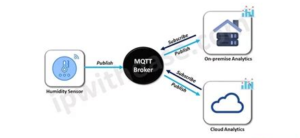
The Internet of Things (IoT) is a rapidly growing network of physical devices, vehicles, home appliances, and other items embedded with electronics, software, sensors, actuators, and network connectivity that enable these objects to connect and exchange data. As the number of IoT devices proliferates, so too does the risk of cyber attacks. However, there are a number of steps that can be taken to reduce the risk of IoT devices being compromised.
1. Strengthening Authentication and Access Control
Implementing robust authentication mechanisms is crucial for preventing unauthorized access to IoT devices. Multi-factor authentication (MFA) adds an extra layer of security by requiring users to provide multiple forms of identification, such as a password and a one-time code sent to their mobile phone. Access control policies should be carefully defined to limit which users and devices have access to specific IoT components and data.
2. Updating Firmware and Software Regularly
IoT devices rely on firmware and software updates to address security vulnerabilities and improve functionality. Manufacturers release regular updates to patch security flaws and introduce new features. It’s essential to promptly apply these updates to keep IoT devices protected against known threats. Failure to update software can leave devices exposed to exploits and cyber attacks.
3. Implementing Data Encryption
Encrypting data transmitted to and from IoT devices ensures confidentiality and prevents unauthorized access. Encryption protocols, such as Transport Layer Security (TLS) and Secure Socket Layer (SSL), encrypt data during transmission, making it virtually impossible for eavesdroppers to intercept and decipher it. Data stored on IoT devices should also be encrypted using strong encryption algorithms to protect against data breaches.
4. Monitoring and Logging Network Activity
Regularly monitoring and logging network activity helps identify suspicious or malicious activities. IoT devices should be configured to generate logs that record network connections, data transfers, and system events. These logs can be analyzed using security monitoring tools to detect anomalies, potential attacks, and unauthorized access attempts.
5. Implementing Intrusion Detection and Prevention Systems
Intrusion detection and prevention systems (IDS/IPS) help detect and block malicious network traffic. These systems analyze network activity in real-time and identify patterns that match known attack signatures. When an attack is detected, the IDS/IPS can alert security personnel or automatically take action to mitigate the threat, such as blocking the attacker’s IP address or isolating infected devices.
6. Implementing Firewalls
Firewalls are network security devices that monitor and control incoming and outgoing network traffic. They can be configured to block unauthorized access to IoT devices by filtering out malicious traffic based on IP addresses, ports, and other criteria. Firewalls provide an additional layer of protection by blocking unauthorized connections and preventing attackers from exploiting vulnerabilities in IoT devices.
7. Segmenting Networks
Network segmentation divides a network into smaller, isolated segments. This helps contain the spread of cyber attacks by preventing malicious actors from moving laterally through the network. IoT devices should be placed on a separate network segment from other critical business systems and resources. This segmentation limits the potential impact of a successful attack on IoT devices.
8. Educating Users and Staff
Educating users and staff about IoT security best practices is vital. They should be trained to recognize and report suspicious activities, such as unusual network behavior or unexpected emails. Training should also cover proper password management, the importance of software updates, and the risks of connecting IoT devices to public Wi-Fi networks.
9. Conducting Regular Security Assessments
Regular security assessments help identify vulnerabilities and weaknesses in IoT networks and devices. These assessments should include vulnerability scanning, penetration testing, and security audits. By conducting regular assessments, organizations can identify potential threats and take steps to mitigate them before they can be exploited by cyber attackers.
10. Collaborating with IoT Vendors and Security Experts
Collaborating with IoT vendors and security experts can provide valuable insights and support in protecting IoT networks and devices. IoT vendors can provide information about known vulnerabilities and security patches for their products. Security experts can offer guidance on implementing best practices, detecting and responding to cyber attacks, and staying up-to-date with the latest security threats.
11. Implement Robust Authentication and Authorization Mechanisms
Strong authentication and authorization mechanisms serve as the first line of defense against unauthorized access to IoT devices. Implementing multi-factor authentication (MFA) can significantly enhance security by requiring users to provide additional verification beyond a simple password. Biometric authentication, such as fingerprint or facial recognition, offers an even more robust level of protection.
Authorization should be granular, allowing different levels of access to different users and devices. This ensures that only authorized individuals have access to the information and functionality they need.
12. Keep Firmware and Software Up to Date
Outdated firmware and software can contain vulnerabilities that can be exploited by attackers. Regularly updating firmware and software patches fixes these vulnerabilities and keeps devices secure. Automated update mechanisms can help simplify the update process and ensure that devices are always running the latest versions.
Manufacturers play a crucial role in providing firmware and software updates throughout the device’s lifetime. Users should prioritize devices from manufacturers with a proven track record of providing regular updates.
13. Monitor and Respond
Continuous monitoring of IoT devices is essential for detecting and responding to cyber attacks. Security monitoring tools can identify suspicious activity, such as unusual network traffic or unauthorized access attempts. Prompt response to security alerts is critical to mitigate risks and prevent damage.
Incident response plans should outline clear steps for addressing cyber attacks. These plans should include procedures for isolating compromised devices, gathering evidence, and notifying relevant authorities.
14. Conclusion
Don’t forget to share this article if you found it helpful, and leave a comment if you have any further questions. I hope you enjoyed this read. Until next time, stay safe, and remember to protect your IoT devices from cyber threats.